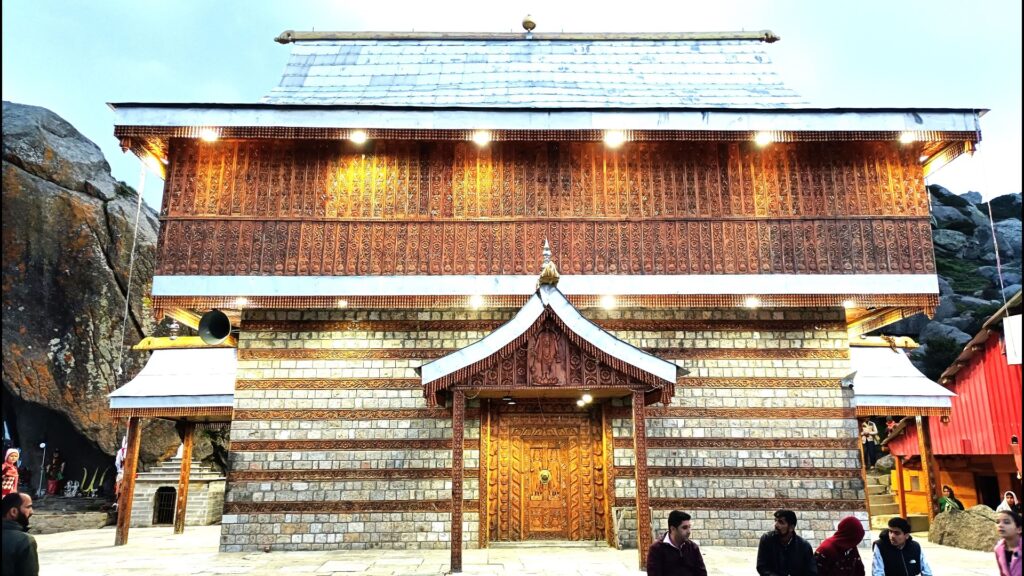

The Churdhar Temple, dedicated to Lord Shirgul Maharaj (also known as Chureshwar Mahadev), is one of the oldest and most revered shrines in the Sirmour region of Himachal Pradesh. The temple sits atop Churdhar Peak (3,647 meters), the highest peak of the outer Himalayas, and has been a sacred pilgrimage site for centuries.
Ancient Legacy
The history of Churdhar Temple is deeply connected with the legend of Shirgul Maharaj, a powerful local deity worshipped across Sirmour, Chaupal, and parts of Uttarakhand. Ancient folklore suggests that Shirgul Maharaj meditated on the peak for years, and his divine presence sanctified the entire region.
Locals believe that the temple existed in some form even during the early medieval period, though the present structure has been renovated multiple times by kings, devotees, and local communities.
Mythological Connection
The peak is also associated with references from ancient Indian scriptures. Churdhar is believed to be the place from where Lord Hanuman uprooted the Sanjeevani Booti mountain during the Ramayana. The surrounding forests are known for rare herbs, strengthening this belief among locals.
A Center of Faith
For hundreds of years, villagers from Sirmour, Solan, Shimla, and Chaupal regions have been undertaking the sacred yatra to Churdhar. The annual pilgrimage traditionally takes place from May to October, when the temple is accessible.
Devotees visit to seek blessings for:
- Protection from natural calamities
- Prosperity
- Good health
- Fulfillment of wishes
Temple Architecture
The temple showcases traditional Himachali architectural style, featuring:
- A stone and wooden sanctum
- Intricate carvings
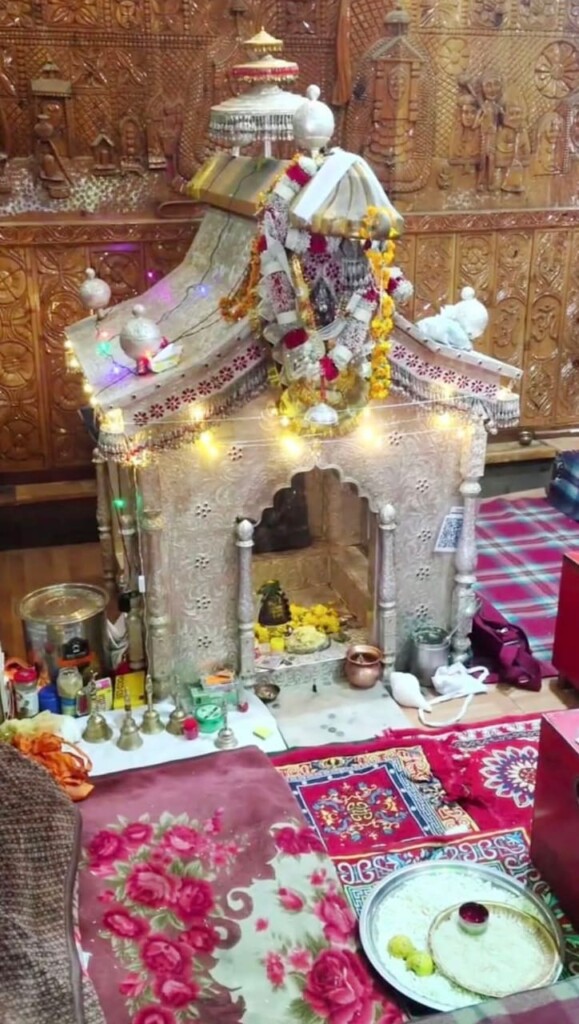
- A majestic idol of Shirgul Maharaj
- Sacred flags and bells tied by devotees
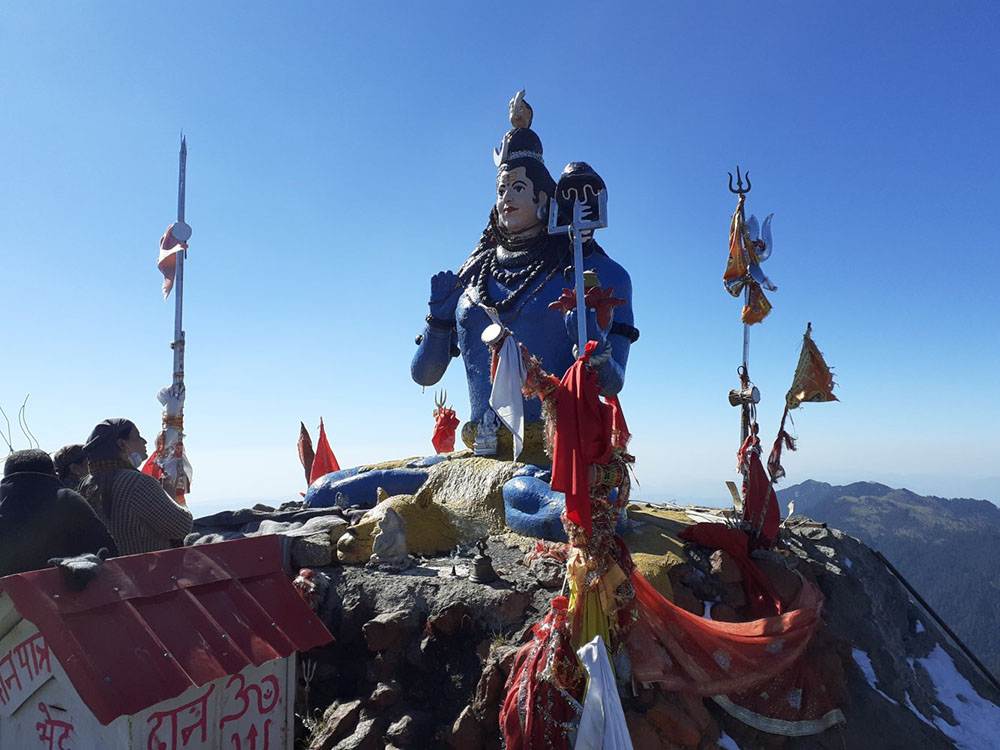
At the summit stands a towering statue of Lord Shiva, overlooking the Shivalik ranges and adding a powerful spiritual aura to the location.
Role in Local Culture
Churdhar Temple is the cultural heart of Sirmour. Every year, local villagers carry the palanquin (palki) of Shirgul Maharaj to the peak, accompanied by traditional music and rituals. The yatra represents unity, devotion, and ancient Himachali traditions that have been preserved through generations.